Orange Is the New Green, from Humbert Z.
The move from oil to electricity is driven by cost, risk, and security, not idealism—and it is redirecting where capital flows.
The energy transition is sold as a moral cause. It is really a trade. Economics, geopolitics, and risk are the forces that move capital, and the irony is that the biggest accelerants were never meant to decarbonize anything. The invasion of Iraq and the energy shocks of great-power rivalry each drove home the same lesson: no modern economy can afford to depend on a single, contested commodity. That lesson is now redrawing the map of capital flows.
Oil has never been a free market. It is indispensable and structurally constrained. Production is concentrated, capital-intensive, and exposed at every stage—extraction, transport chokepoints, and refining. Its price responds to geopolitics as much as to supply and demand. Call it what it is: a commodity that has never traded freely.
Electrons beat molecules. Electricity is the opposite—adaptable and decentralizing quickly. Regulated, yes, but its inputs keep multiplying: natural gas, nuclear, hydro, wind, solar, and storage, all feeding one grid. That diversity eliminates single points of failure and lets an economy swap one source for another, something oil never allowed. The more a country runs on electrons instead of molecules, the harder it is to hold hostage.
Hydrogen is often touted as the successor to hydrocarbons. For most uses, it is less efficient and far more infrastructure-intensive than electrification. The real fight is not hydrogen versus oil. It is electrons versus molecules.
Watch the pump. Transportation is where the shift shows up first. Push U.S. gasoline past roughly $4 a gallon, and behavior shifts—toward efficient cars, hybrids, and EVs. Not ideology. Price elasticity.
EVs win on structure, too. Fewer moving parts, less maintenance. Higher efficiency, lower operating costs over time. They refuel at home, quietly gutting the economics of the gas station—a centralized, often inconvenient node that matters less in a distributed system.
The adoption data aligns. In parts of Europe and in China, electrified vehicles—hybrids, plug-ins, and pure EVs—already account for a growing share of new-car sales. China scaled up production of cheap, competitive models and flooded the market. In the U.S., the tell is the secondary market, where used EVs now offer a low-cost entry point.
None of this kills internal combustion soon. The installed fleet, the existing infrastructure, and the raw energy density of liquid fuels keep it alive for decades, especially in heavy transport and aviation. But the trend runs one way: electrification, sector by sector.
The fossil-fuel paradox. Here is the twist the title is after. Even politics built around fossil fuels tends to accelerate electrification. Push energy independence, domestic production, and industrial competitiveness, and you end up funding grids, battery plants, and electric technology. An agenda written in the language of oil can quietly bankroll the move to electrons. That is "orange is the new green"—a transition powered not by idealism but by cost, risk, and security. Optimize for resilience and efficiency long enough, and electrification stops being a choice and starts looking like arithmetic.
Where the money goes. For investors, the conclusion is blunt. Expect serious new capital to flow into power generation and distribution—solar, wind, inverters, transformers, switchgear, wires, meters, and, inevitably, lawyers. The final irony: the fuel that bridges us to all those electrons may well be coal.
Stefan Jovanovich responds:
The copy editor in me wants to ask for a rewrite - not because anything Carder wrote here is less than his usual brilliance but because his use of the term "fossil fuel" is so beneath him. My blue pencil would force him to write 2 essays: one about petroleum and a second about natural gas. For the first one he could use this information from Claude, which completely supports his point of view.
While global oil consumption in 2024 recovered to 1.3% above 2019 levels, this was almost entirely due to higher demand for petrochemical feedstocks, which climbed by over 12% over the previous five years. Non-feedstock uses (i.e., fuels) were virtually equal to 2019 levels, despite aggregate global GDP growth of about 14% over the same period. IEA
Petroleum: Burned as Fuel vs. Used as Physical Product
~90% — Burned as fuel (combustion)
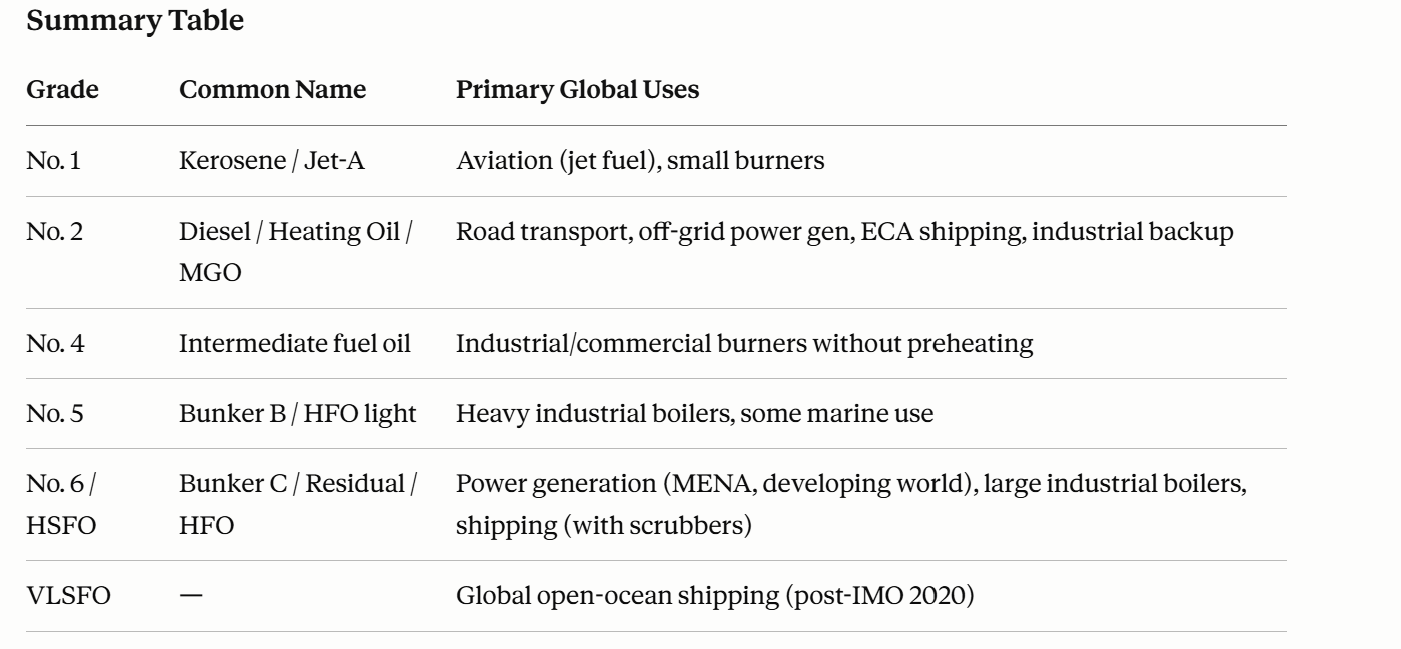
Roughly half is used for road transportation.
~10% — Used as molecules in physical products (non-combustion / feedstock)
Plastics (polyethylene, polypropylene, PVC, etc.)
Synthetic fibers (polyester, nylon)
Fertilizers (ammonia/nitrogen fertilizers via natural gas, but also oil-derived)
Lubricants and greases
Asphalt and road paving material
Solvents, paints, adhesives
Pharmaceuticals
Waxes, cosmetics, detergents
The key feedstocks are naphtha, ethane, and LPG, which are cracked into ethylene, propylene, and aromatics — the building blocks of most petrochemicals.
Henry Gifford writes:
There is not much move from oil to electricity going on outside of electric cars. The big shift is what is going on with buildings.
The latest numbers I’ve seen (2007 numbers from US Energy Administration Annual Energy Review) say that the entire transportation sector in the US uses 29% of the energy used in the US, while buildings use 40% of all the energy used in the US.
In areas where natural gas pipes are in the street almost all buildings stopped burning oil many years ago, and have been burning natural gas for heat and hot water for many years. The big shift now is buildings switching to electricity mostly generated by burning natural gas, which requires burning much more natural gas to generate the electricity than would be burned in the buildings.
This shift from burning natural gas in the building to burning a larger amount of natural gas at a power plant is called “Decarbonization”, and is in part driven by claims that burning natural gas to heat a building generates a lot of Carbon Dioxide, meanwhile burning the same amount of natural gas to generate electricity generates a significantly smaller amount of Carbon Dioxide. I have seen misleading numbers like this on Federal energy agency websites. Playing with the numbers like this is politics, not economics.
The association of engineers who design mechanical systems for buildings recently redefined their goals: 1: Sustainability 2: Environmentalism 3: Electrification of buildings. In other words, they have one goal: electrification of buildings, with three different names for that one goal.
A couple of years ago the US EPA had budgeted over half a billion dollars annually to pay non-profits and energy efficiency “businesses” (no polite word for an entity that is not registered as a non-profit yet supports itself with our taxes) to push switching to electricity. Building codes and green regulations and local laws and the torrent of “free” money all encourage or require electrification of new buildings, and more gradually, existing buildings. With cars, owners choose. With buildings, owners are told what to do.
This represents a huge increase in energy cost to owners. Last I looked (last year) energy bought as electricity cost 7.5 times as much as energy bought as natural gas in New York City, where the electricity price is the highest in the lower 48 states. Yes, the claim is still made that switching to electricity will save money.
Electric heating is usually done with heat pumps with a claimed COP (Coefficient of Performance) of 3 or 4 or 5, which means for every watt of electricity used the heat pump puts 3 or 4 or 5 watts of heat into the building (by cooling outdoor air). However, almost nobody measures actual COP, which is very difficult to measure. Much money has changed hands by claiming to measure. For example, someone can measure outdoor temperature and indoor temperature and do a computer model of the COP of a heat pump and then claim to have “measured results”. If the COP is politically correct, more research money will flow.
I have indirectly measured the COP of a heat pump by installing two heating systems in a building – a heat pump and some 100% efficient electric resistance heaters – and switching between heating systems at every midnight, recording indoor and outdoor temperature and electricity used every hour for three years, and comparing electricity used for many hundreds of hours within each five degree F outdoor temperature “bin”, then generating an outdoor temperature weighted average COP: about 2.5. As the US electric grid’s effectiveness at turning natural gas into electricity is about 32%, a heat pump’s COP has to be higher than about 3.0 to save energy. This means heat pumps use more fuel (but only if the fuel burned to make the electricity is not ignored) except at outdoor temperatures where a building could be heated by opening the windows.
The numbers for heating faucet water are much more grim. For this task, a heat pump has to heat the water to 140F, which greatly reduces the COP compared to heating indoor air to 72F. Don’t worry, lots of computer models and manufacturer claims are available to justify heating faucet water with heat pumps, but despite the relative ease of measuring how much heat got into water (compared to air), I haven’t heard anyone even claiming to have measured.
People have run into problems with heat pump water heaters cooling the mechanical room or basement so much that the water heater simply stops working. This problem is often “solved” by installing an electric resistance heater to heat the room, thus supplying the heat pump water heaters with enough heat to heat the faucet water in a politically correct way.
The energy required to heat water is roughly, very roughly equal to the energy required to heat an apartment building in the Northeast US (different numbers further South, where AC is more important), thus half (on average) the electricity for an electric building goes to water heating heat pumps with a truly horrible COP, sometimes lower than 1.0 (at which point it makes sense to just use electric resistance heat).
So, with heat pumps costing more money to buy, and costing more money to operate, and using more energy, what is the benefit of decarbonizing a building? Other than any benefits of making a social statement, the only benefits are complying with laws and getting free money for doing it.
The importance of making a social statement ought not be underestimated. If a person really wants to save gasoline, they will buy a Toyota Prius and drive it from the dealer to the local taxi stand and swap it for an old gas guzzling car, thus the Prius can be saving gasoline about twenty hours per day while the guzzler might guzzle gas for an hour or two per day. The person who purchased the Prius can put a sign on the side of the guzzler explaining the arrangement as a way of claiming even more social credits than another person who drives a Prius one or two hours per day and leaves it parked the rest of the time. But I think nobody has ever done this – they prefer the social statement of driving the Prius to saving gas.
Likewise, well over 90% of single family houses in the US have roofs unsuited for solar electric panels because of shading, suboptimal angle, or suboptimal azimuth. Never mind, the grant money is so good they now regularly get installed flat (saves on installation cost) or vertical (ditto) or facing North or shaded. See enclosed low quality photo of an advertisement by our local utility here in New York City talking about “your energy future” showing solar electric panels lying flat, where dirt quickly damages the glass and less light hits them, and mostly in the shade. (Don’t laugh – you bought them). If a person really is a fan of solar electric they will install some panels on the roof of a nearby big box store or warehouse, where there is zero shade and the angle and azimuth can be optimal. Depending on the arrangement made, the panels can offset the cost of buying electricity at the higher price the business pays (politics again) instead of the lower price the homeowner pays. But I’ve never heard of anyone doing this either – there are still almost no solar panels on those large unshaded flat roofs, where economics says they belong.
Military vehicles burn oil. Trucks and tanks and jeeps burn diesel, jet planes burn a fuel that is essentially the same as diesel (someone had a gas station in NYC selling lots and lots of diesel to trucks very cheaply – lines around the block – until someone inspecting a jet fuel pipeline at the airport behind the gas station saw a suspicious looking pipe leading from the jet fuel pipeline to the gas station), ships can burn the same fuel or burn thicker oil. Military vehicles don’t burn natural gas or run on electricity. Therefore shifting buildings to electricity isn’t saving any oil doesn’t, I think, make any sense from the perspective of freeing up oil for the military.
The whole effort to decarbonize buildings can perhaps only make sense when compared to the huge effort to produce ethanol for fuel for vehicles. Corn is grown and then fermented into alcohol (ethanol) which is then mixed with gasoline for fueling vehicles. For years there was a vigorous debate about if the ethanol contained more or less energy than was used in producing it (farm tractor, irrigation pumps, harvester, grinding, fermenting, etc.). Surely the result of the calculations depends on the growing region examined: the marginal land used for growing corn because of the increased demand for corn, or the optimal corn growing areas of, say, Iowa, which likely would be planted in corn regardless of the demand resulting from its use as fuel. No doubt, grant money flows more freely if the calculation shows a politically correct result. But what nobody debated is the folly of all that effort and money to maybe yield a small energy gain, when the expense and effort would have had a much better energy yield elsewhere. Finally the debate stopped when National Geographic Magazine, seen as perhaps less political than other publications, studied the question in detail and concluded that the energy required to make the ethanol greatly exceeded the energy in the ethanol produced. I saw no more debate after that, but of course ethanol production and use as fuel hasn’t slowed down – it has increased. People “make” money producing ethanol because the government pays for it. Same as switching to electricity for buildings – it is driven by politics, not economics.
Archives
- September 2026
- August 2026
- July 2026
- June 2026
- May 2026
- April 2026
- March 2026
- February 2026
- January 2026
- December 2025
- November 2025
- October 2025
- September 2025
- August 2025
- July 2025
- June 2025
- May 2025
- April 2025
- March 2025
- February 2025
- January 2025
- December 2024
- November 2024
- October 2024
- September 2024
- August 2024
- July 2024
- June 2024
- May 2024
- April 2024
- March 2024
- February 2024
- January 2024
- December 2023
- November 2023
- October 2023
- September 2023
- August 2023
- July 2023
- June 2023
- May 2023
- April 2023
- March 2023
- February 2023
- January 2023
- December 2022
- November 2022
- October 2022
- September 2022
- August 2022
- July 2022
- June 2022
- May 2022
- April 2022
- March 2022
- February 2022
- January 2022
- December 2021
- November 2021
- October 2021
- September 2021
- August 2021
- July 2021
- June 2021
- May 2021
- April 2021
- March 2021
- February 2021
- January 2021
- December 2020
- November 2020
- October 2020
- September 2020
- August 2020
- July 2020
- June 2020
- May 2020
- April 2020
- March 2020
- February 2020
- January 2020
- December 2019
- November 2019
- October 2019
- September 2019
- August 2019
- July 2019
- June 2019
- May 2019
- April 2019
- March 2019
- February 2019
- January 2019
- December 2018
- November 2018
- October 2018
- September 2018
- August 2018
- July 2018
- June 2018
- May 2018
- April 2018
- March 2018
- February 2018
- January 2018
- December 2017
- November 2017
- October 2017
- September 2017
- August 2017
- July 2017
- June 2017
- May 2017
- April 2017
- March 2017
- February 2017
- January 2017
- December 2016
- November 2016
- October 2016
- September 2016
- August 2016
- July 2016
- June 2016
- May 2016
- April 2016
- March 2016
- February 2016
- January 2016
- December 2015
- November 2015
- October 2015
- September 2015
- August 2015
- July 2015
- June 2015
- May 2015
- April 2015
- March 2015
- February 2015
- January 2015
- December 2014
- November 2014
- October 2014
- September 2014
- August 2014
- July 2014
- June 2014
- May 2014
- April 2014
- March 2014
- February 2014
- January 2014
- December 2013
- November 2013
- October 2013
- September 2013
- August 2013
- July 2013
- June 2013
- May 2013
- April 2013
- March 2013
- February 2013
- January 2013
- December 2012
- November 2012
- October 2012
- September 2012
- August 2012
- July 2012
- June 2012
- May 2012
- April 2012
- March 2012
- February 2012
- January 2012
- December 2011
- November 2011
- October 2011
- September 2011
- August 2011
- July 2011
- June 2011
- May 2011
- April 2011
- March 2011
- February 2011
- January 2011
- December 2010
- November 2010
- October 2010
- September 2010
- August 2010
- July 2010
- June 2010
- May 2010
- April 2010
- March 2010
- February 2010
- January 2010
- December 2009
- November 2009
- October 2009
- September 2009
- August 2009
- July 2009
- June 2009
- May 2009
- April 2009
- March 2009
- February 2009
- January 2009
- December 2008
- November 2008
- October 2008
- September 2008
- August 2008
- July 2008
- June 2008
- May 2008
- April 2008
- March 2008
- February 2008
- January 2008
- December 2007
- November 2007
- October 2007
- September 2007
- August 2007
- July 2007
- June 2007
- May 2007
- April 2007
- March 2007
- February 2007
- January 2007
- December 2006
- November 2006
- October 2006
- September 2006
- August 2006
- Older Archives
Resources & Links
- The Letters Prize
- Pre-2007 Victor Niederhoffer Posts
- Vic’s NYC Junto
- Reading List
- Programming in 60 Seconds
- The Objectivist Center
- Foundation for Economic Education
- Tigerchess
- Dick Sears' G.T. Index
- Pre-2007 Daily Speculations
- Laurel & Vics' Worldly Investor Articles
