Apr
18
A Volcanic Dilemma, from Michele Pezzutti
April 18, 2010 |
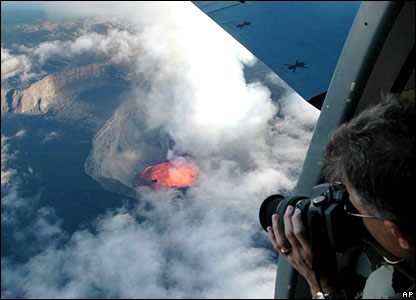 I was in Oslo when they started to close the northern Europe air space on Thursday. I decided to take a lift by car from friends to Gothenburg, Sweden at least to get 300 km closer to Milan, Italy. Then I was faced with a dilemma. What is best the best strategy in such an uncertain environment? Wait for flights to go back to normality? Sounds good but how long could it be? Or take a train and travel 24 hours or more? Sounds good as well, but all trains are full now, so the only option is to book a train in some days from now. And what if in the meantime they reopen the airports? Why face a long journey when a plane would be much faster? Or rent a car, provided that they are available, and drive home? That's a long trip, and expensive as well.
It's like being caught in a losing position with limited capital available and having to decide if it is better to close it and accept the loss or hope for the market to go up soon. You cannot wait too long, as you risk losing all your money, but on the other hand it's difficult to sell when you lose.
I have put a stop loss on Tuesday, when I will stop to wait for improvements. Then I will sell and accept the long trip home, provided that it will be feasible. But new (reliable?) forecasts will be provided, and I will change my mind again, as I always do, being unable to fully implement the strategy I decided when I started the trade.
Ken Drees comments:
My father said to me so many times, "he who hesitates is lost". The trading relation lesson is that you first want to doubt the severity of the position going against you. Hoping for the best leads you right into crowd think–things will improve, etc. So here it seems like you at least acted by moving away, but then realized that you are still losing and that losing trades take up capital that can be deployed elsewhere, and losing trades take up time and mental focus and lead to less than perfect mental acuteness. Best to get your arms around the loss and remove it at any cost.
All these stranded people are like people who have just received pink slips. They just lost their jobs (flights). So should they not take this opportunity to hike the back country, visit that winery, or linger in the cities that they always wished to see, but never had the time to? Some may do so who can afford it, others may not be able to afford to or are not skilled enough to be "re-trained".
Paolo Pezzutti replies:
I have spent so many days traveling during the past 3 years in so many countries. Most of the times what I have seen is airports, hotels, and conference rooms. Very seldom have I had the opportunity to visit places and understand the culture of the places I have visited. It is like a standardized and artificial reality. For stranded travelers, I think the issue is the lack of choices. You can analyze the options what you want, but practically speaking, in most cases you cannot do anything but wait.
Victor Niederhoffer comments:
Many of us own individual stocks that are stranded, doing nothing while the world spins on its axis. What is appropriate to do in such situations? I would hypothesize that counting would help. Louis L'amour always said that the first moment of a life threatening situation is the best time to act.
Ken Drees replies:
I read once about an older trader, a simple man who simply said that at the end of the day if any one of his trades was "a loser" he would simply "kick it out" of the barn. At first take that seems extreme– or is it? The first time I read that I thought it was too black and white, now it's more of an essential idea for me–the taking of the first loss. Do you like the stock at that price today? Is the stock in a losing position? Would you buy that same stock today–double your position? If the answer is no then its a loser and a candidate for deletion. If every trader on Monday morning got rid of every losing deletion candidate, the force of the positive relief exhaled into the atomsphere would shift the winds over Europe and free the skies for all to get back to work, play, and normalcy. Sell your losers for the tired, the untrainable, the funflighted.
Comments
Archives
- June 2026
- May 2026
- April 2026
- March 2026
- February 2026
- January 2026
- December 2025
- November 2025
- October 2025
- September 2025
- August 2025
- July 2025
- June 2025
- May 2025
- April 2025
- March 2025
- February 2025
- January 2025
- December 2024
- November 2024
- October 2024
- September 2024
- August 2024
- July 2024
- June 2024
- May 2024
- April 2024
- March 2024
- February 2024
- January 2024
- December 2023
- November 2023
- October 2023
- September 2023
- August 2023
- July 2023
- June 2023
- May 2023
- April 2023
- March 2023
- February 2023
- January 2023
- December 2022
- November 2022
- October 2022
- September 2022
- August 2022
- July 2022
- June 2022
- May 2022
- April 2022
- March 2022
- February 2022
- January 2022
- December 2021
- November 2021
- October 2021
- September 2021
- August 2021
- July 2021
- June 2021
- May 2021
- April 2021
- March 2021
- February 2021
- January 2021
- December 2020
- November 2020
- October 2020
- September 2020
- August 2020
- July 2020
- June 2020
- May 2020
- April 2020
- March 2020
- February 2020
- January 2020
- December 2019
- November 2019
- October 2019
- September 2019
- August 2019
- July 2019
- June 2019
- May 2019
- April 2019
- March 2019
- February 2019
- January 2019
- December 2018
- November 2018
- October 2018
- September 2018
- August 2018
- July 2018
- June 2018
- May 2018
- April 2018
- March 2018
- February 2018
- January 2018
- December 2017
- November 2017
- October 2017
- September 2017
- August 2017
- July 2017
- June 2017
- May 2017
- April 2017
- March 2017
- February 2017
- January 2017
- December 2016
- November 2016
- October 2016
- September 2016
- August 2016
- July 2016
- June 2016
- May 2016
- April 2016
- March 2016
- February 2016
- January 2016
- December 2015
- November 2015
- October 2015
- September 2015
- August 2015
- July 2015
- June 2015
- May 2015
- April 2015
- March 2015
- February 2015
- January 2015
- December 2014
- November 2014
- October 2014
- September 2014
- August 2014
- July 2014
- June 2014
- May 2014
- April 2014
- March 2014
- February 2014
- January 2014
- December 2013
- November 2013
- October 2013
- September 2013
- August 2013
- July 2013
- June 2013
- May 2013
- April 2013
- March 2013
- February 2013
- January 2013
- December 2012
- November 2012
- October 2012
- September 2012
- August 2012
- July 2012
- June 2012
- May 2012
- April 2012
- March 2012
- February 2012
- January 2012
- December 2011
- November 2011
- October 2011
- September 2011
- August 2011
- July 2011
- June 2011
- May 2011
- April 2011
- March 2011
- February 2011
- January 2011
- December 2010
- November 2010
- October 2010
- September 2010
- August 2010
- July 2010
- June 2010
- May 2010
- April 2010
- March 2010
- February 2010
- January 2010
- December 2009
- November 2009
- October 2009
- September 2009
- August 2009
- July 2009
- June 2009
- May 2009
- April 2009
- March 2009
- February 2009
- January 2009
- December 2008
- November 2008
- October 2008
- September 2008
- August 2008
- July 2008
- June 2008
- May 2008
- April 2008
- March 2008
- February 2008
- January 2008
- December 2007
- November 2007
- October 2007
- September 2007
- August 2007
- July 2007
- June 2007
- May 2007
- April 2007
- March 2007
- February 2007
- January 2007
- December 2006
- November 2006
- October 2006
- September 2006
- August 2006
- Older Archives
Resources & Links
- The Letters Prize
- Pre-2007 Victor Niederhoffer Posts
- Vic’s NYC Junto
- Reading List
- Programming in 60 Seconds
- The Objectivist Center
- Foundation for Economic Education
- Tigerchess
- Dick Sears' G.T. Index
- Pre-2007 Daily Speculations
- Laurel & Vics' Worldly Investor Articles
