Mar
2
Baseball and Markets, from Victor Niederhoffer
March 2, 2010 |
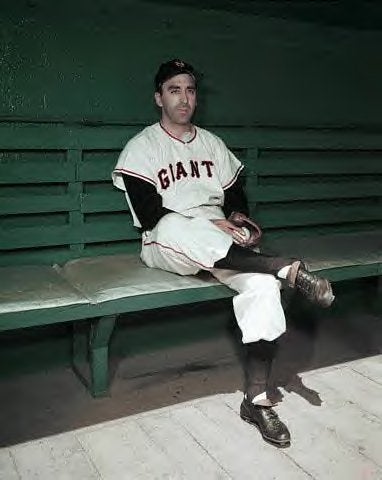 I should write something about baseball and markets. I've written about the wisdom of Ted Williams for markets, and Larry Ritter, 100 market related things about baseball dare that was included in PracSpec with collab, and I've written about the hidden signs of baseball with all the thievery and spies of signs etc., and I've suggested some insights of Bill James, but the problem is I don't know anything about baseball, and I hate to write about something I don't know about like the chapter on poker in EdSpec which I wish i had never written since it was derivative and worthless. So if anyone can help me appreciate what baseball can teach about markets, I'd appreciate it. I'm particularly interested in the hidden rules, and I think I have a market system based on not running up the score, etc.

Allen Gillespie comments:
UK came back from a large deficit to tie UT with 2:13 left before loosing the game. Does the market do the same? One notes that the S&P regained its positive footing yesterday after being down for most of the year.
Also, one hidden rule is don't talk to a pitcher that is throwing a no hitter after 7 innings and give extra effort on defense. A market equivalent might be what happens over the next X batters after the first gets a hit if the market is down over the previous 21.
Jordan Neuman comments:
Baseball traditionalists love the idea of the bunt, the stolen base, and assorted "small ball" strategies. These are basically one-run strategies. And as Earl Weaver and Bill James have written, baseball people who actually do the counting, when you play for one run that is all you get. And you might not even get that.
The market equivalent has got to be all those maxims and strategies that emanate from the brokerages and the talking heads that are consistent money/opportunity losers. What is appealing in theory is more difficult in practice. I place covered calls in this category.
Stefan Jovanovich writes:
Any pitch above the shoulders is life threatening; you can die from being hit in the neck more easily than from the top side of the skull. Even so, throwing above the shoulders was within the Code even in the days before helmets had ear flaps. Sal Maglie did not get the nickname of "the Barber" because of his artful use of the straight razor. Drysdale and Early Wynn were notorious headhunters. The rule was and is a good deal more subtle. You can't throw at a batter's head if you also throw a curve ball that breaks away from him. You can't play even high level minor league ball without standing in against a pitch that is coming at your head because, if the guy is any good, that ball is going to break down and away for a strike.
Drysdale and Winn were fastball, change-up pitchers so their aggressiveness was tolerated; it was part of their game. Walter Johnson and Bob Feller are always written about as being "gentlemen" because they never threw at batters; they didn't because with their stuff (fast balls and right-handed down and in curve balls) it would have been attempted manslaughter. Sammy Sosa was "beloved" because he was a cripples hitter; he killed mistakes and ate up mediocre pitchers, but he was never feared by anyone who had stuff and knew how to use it. Barry Bonds was "disliked" because he ruined everybody and because he had the guts to wear protection for the batter's most vulnerable body part - his leading elbow and forearm - and not give a damn what the league or opponents thought about it. He also mastered what remains the hardest thing to do in hitting: swinging late and still getting around on the inside pitch. In that he was a throwback to the golden age when even someone with arms as long as Ted Williams would have his wrists pass over the inside of the plate. Modern hitters with their longer, lighter bats don't go there any more– which is why the Atlanta Braves during their glory years were always coached to pitch outside: "Having Leo Mazzone as a pitching coach lowered a pitcher's ERA by a little more than half a run."
The respect thing is wildly exaggerated. Players appreciate each other's skills but they get paid for winning and numbers, not for obeisance. Chuck Hiller, who was a wonderful catcher for the Giants, once said that if the league learned that a player had leukemia, they would be sad but, if the guy still had his stuff, the dugouts would be calling him "Luke" by the 3rd inning. Bang the Drum Slowly gets that right; everybody is sad for Robert De Nero who is dying but nobody on the team comes to the funeral except for Michael Moriarty.
Rodger Bastien comments:
A pitcher is expected to throw a brush-back pitch in the next half-inning if his teammate has been hit with a pitch, but it's taboo to throw that pitch above the batter's shoulders or behind the hitter ( a batter's instinct is to hit the dirt therefore he could be beaned that way). Good hard slides are a part of baseball but sliding "spikes high" is a no-no. Along with not stealing with a big lead you should not stretch singles to doubles or doubles to triples with a very large lead. If a batter leans over the plate, a pitcher is expected to throw inside to regain that part of the plate; a hitter with such a stance should expect a fair amount of inside pitches and should take his base without protest when hit by a pitch. When an umpire takes a nasty foul off of his unprotected areas or is shaken with a foul off of his mask, the catcher should go to the mound to give the umpire time to shake it off. And middle infielders protect themselves by throwing the ball to first during a double play right between the oncoming runner's eyes; its his responsibility to get down to avoid getting hit.
Comments
Archives
- June 2026
- May 2026
- April 2026
- March 2026
- February 2026
- January 2026
- December 2025
- November 2025
- October 2025
- September 2025
- August 2025
- July 2025
- June 2025
- May 2025
- April 2025
- March 2025
- February 2025
- January 2025
- December 2024
- November 2024
- October 2024
- September 2024
- August 2024
- July 2024
- June 2024
- May 2024
- April 2024
- March 2024
- February 2024
- January 2024
- December 2023
- November 2023
- October 2023
- September 2023
- August 2023
- July 2023
- June 2023
- May 2023
- April 2023
- March 2023
- February 2023
- January 2023
- December 2022
- November 2022
- October 2022
- September 2022
- August 2022
- July 2022
- June 2022
- May 2022
- April 2022
- March 2022
- February 2022
- January 2022
- December 2021
- November 2021
- October 2021
- September 2021
- August 2021
- July 2021
- June 2021
- May 2021
- April 2021
- March 2021
- February 2021
- January 2021
- December 2020
- November 2020
- October 2020
- September 2020
- August 2020
- July 2020
- June 2020
- May 2020
- April 2020
- March 2020
- February 2020
- January 2020
- December 2019
- November 2019
- October 2019
- September 2019
- August 2019
- July 2019
- June 2019
- May 2019
- April 2019
- March 2019
- February 2019
- January 2019
- December 2018
- November 2018
- October 2018
- September 2018
- August 2018
- July 2018
- June 2018
- May 2018
- April 2018
- March 2018
- February 2018
- January 2018
- December 2017
- November 2017
- October 2017
- September 2017
- August 2017
- July 2017
- June 2017
- May 2017
- April 2017
- March 2017
- February 2017
- January 2017
- December 2016
- November 2016
- October 2016
- September 2016
- August 2016
- July 2016
- June 2016
- May 2016
- April 2016
- March 2016
- February 2016
- January 2016
- December 2015
- November 2015
- October 2015
- September 2015
- August 2015
- July 2015
- June 2015
- May 2015
- April 2015
- March 2015
- February 2015
- January 2015
- December 2014
- November 2014
- October 2014
- September 2014
- August 2014
- July 2014
- June 2014
- May 2014
- April 2014
- March 2014
- February 2014
- January 2014
- December 2013
- November 2013
- October 2013
- September 2013
- August 2013
- July 2013
- June 2013
- May 2013
- April 2013
- March 2013
- February 2013
- January 2013
- December 2012
- November 2012
- October 2012
- September 2012
- August 2012
- July 2012
- June 2012
- May 2012
- April 2012
- March 2012
- February 2012
- January 2012
- December 2011
- November 2011
- October 2011
- September 2011
- August 2011
- July 2011
- June 2011
- May 2011
- April 2011
- March 2011
- February 2011
- January 2011
- December 2010
- November 2010
- October 2010
- September 2010
- August 2010
- July 2010
- June 2010
- May 2010
- April 2010
- March 2010
- February 2010
- January 2010
- December 2009
- November 2009
- October 2009
- September 2009
- August 2009
- July 2009
- June 2009
- May 2009
- April 2009
- March 2009
- February 2009
- January 2009
- December 2008
- November 2008
- October 2008
- September 2008
- August 2008
- July 2008
- June 2008
- May 2008
- April 2008
- March 2008
- February 2008
- January 2008
- December 2007
- November 2007
- October 2007
- September 2007
- August 2007
- July 2007
- June 2007
- May 2007
- April 2007
- March 2007
- February 2007
- January 2007
- December 2006
- November 2006
- October 2006
- September 2006
- August 2006
- Older Archives
Resources & Links
- The Letters Prize
- Pre-2007 Victor Niederhoffer Posts
- Vic’s NYC Junto
- Reading List
- Programming in 60 Seconds
- The Objectivist Center
- Foundation for Economic Education
- Tigerchess
- Dick Sears' G.T. Index
- Pre-2007 Daily Speculations
- Laurel & Vics' Worldly Investor Articles
