Jan
27
National Service, from Scott Brooks
January 27, 2009 |
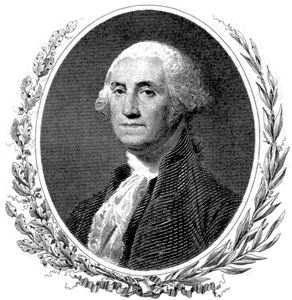 The fact that our lives belong only to each of us individually is completely lost in this political environment. The most patriotic thing any of us can do to benefit our country is go out and get a job on our own, do great work at that job and improve our lot in life.
Then if we choose to, we can give back in whatever way we chose.
For instance, you become successfully self-sufficient and raise a family that grows up to do the same.
You could volunteer and teach people how to fish (as opposed to the government that gives them fish or, in the case of this misguided idea of "national service", forces them to fish).
You could further your education.
But at no point, ever should you be a burden on society or expect society to anything other than what the Founders intended (society being the government). If you're a child, you get a pass… except that you must work constantly to educate yourself and develop a good work ethic.
If you are physically or mentally unable, you get a pass and charities or family will care for you (believe me, it doesn't take the government to do it… you'll be surprised at just how generous people will be when they don't live under the oppressive rule of the government that encroaches further and further into their lives and finances.
It's time we do something in this country that has never been tried: laissez faire politics. Busybody politicians do not know what's best for me and my family.
Kim Zussman looks at the investment implications:
 OK but 'splain me this: If free markets reward hard work, independence, and innovation, why should one work hard when the markets become unfree? Many folks paying usury taxes on their marathon efforts might resent decreed redistribution of the fruits of their labor "putting America to work" (whether they can or not, qualified or not, want to or not). If the hard workers pull back, and the soft workers get softer, fiat monetas vaporis.
Increasing socialism is very bearish.
Pitt Maner III adds:
A couple of forthcoming books — no doubt timed for the New New Deal — make the opposite argument: irrational and animal-spirited humans need government intervention.
Free Market Madness by Peter A. Ubel
"What’s wrong with free market theory? It doesn’t take into account our human nature. We humans aren’t entirely rational creatures.[…] All too often our subconscious causes us to act against our own self-interest. Yet our free-market economy is based largely on the assumption that we do act in our own self-interest. In this book, I argue that the combination of human nature and free markets can be downright dangerous for our health and well-being. That government must step in and further regulate the markets[…]".
Animal Spirits: How Human Psychology Drives the Economy, and Why It Matters for Global Capitalism by George A. Akerlof and Robert J. Shiller
"Like Keynes, Akerlof and Shiller know that managing these animal spirits requires the steady hand of government–simply allowing markets to work won't do it. In rebuilding the case for a more robust, behaviorally informed Keynesianism, they detail the most pervasive effects of animal spirits in contemporary economic life–such as confidence, fear, bad faith, corruption, a concern for fairness, and the stories we tell ourselves about our economic fortunes–and show how Reaganomics, Thatcherism, and the rational expectations revolution failed to account for them."
Stefan Jovanovich concludes:
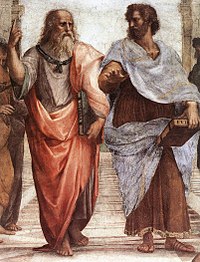 As with most "debates", this one has the fix put in with the premise. (No wonder the citizens of Athens got so tired of the Socratic method that they asked its creator to take a walk.) Neither Ronald Reagan nor Margaret Thatcher thought that liberty = perfect rationality. No one who spent most of a lifetime working in Hollywood or being the only woman in the meeting could think that even imperfect rationality had much to do with human conduct. (No wonder they liked and respected each other.) Mr. Ubel creates the same egregiously phony straw-man by his thesis that the "free-market economy" is based on the "assumptions that we do act in our own self-interest." Markets are never "free"; there is always a house and usually someone has an assured position at the rail. Yet, even with their corruptions, the uncompelled exchanges between private parties still work far better than any prescriptive allocations determined by the people with the best transcripts. Even a little bit of liberty works far better than the pure hierarchies of authoritarian structures. What really screws things up is when the people who benefit most directly from government interventions completely rig the game and call it a collective good. Mr. Ubel's use of the universal academical "us" - "human nature and free markets can be downright dangerous to our health and well-being" - is the classic aggregation fallacy that makes so much of economics remind me of Tennessee Williams's best line ("File this under C for crap").
You had it wrong, Mr. L. The first thing to do is kill all the preachers of the economic doctrine who never have to worry about the actual cash market for their wisdoms. Or, even better, don't kill them and make them get by on their royalties from writings other than the required text books. Without the state-sponsorship of their compulsory indoctrination of the collective "us", the lawyers would hardly be much of a threat.
Sorry for the rant, Pitt; I will now retreat to my private, unmortgaged cave and consider why my nature remains so persistently unable to see the obvious benefits of Fannie, Freddy and the future Maes now working together to build a "more robust, behaviorally informed Keynesianism".
Comments
Archives
- June 2026
- May 2026
- April 2026
- March 2026
- February 2026
- January 2026
- December 2025
- November 2025
- October 2025
- September 2025
- August 2025
- July 2025
- June 2025
- May 2025
- April 2025
- March 2025
- February 2025
- January 2025
- December 2024
- November 2024
- October 2024
- September 2024
- August 2024
- July 2024
- June 2024
- May 2024
- April 2024
- March 2024
- February 2024
- January 2024
- December 2023
- November 2023
- October 2023
- September 2023
- August 2023
- July 2023
- June 2023
- May 2023
- April 2023
- March 2023
- February 2023
- January 2023
- December 2022
- November 2022
- October 2022
- September 2022
- August 2022
- July 2022
- June 2022
- May 2022
- April 2022
- March 2022
- February 2022
- January 2022
- December 2021
- November 2021
- October 2021
- September 2021
- August 2021
- July 2021
- June 2021
- May 2021
- April 2021
- March 2021
- February 2021
- January 2021
- December 2020
- November 2020
- October 2020
- September 2020
- August 2020
- July 2020
- June 2020
- May 2020
- April 2020
- March 2020
- February 2020
- January 2020
- December 2019
- November 2019
- October 2019
- September 2019
- August 2019
- July 2019
- June 2019
- May 2019
- April 2019
- March 2019
- February 2019
- January 2019
- December 2018
- November 2018
- October 2018
- September 2018
- August 2018
- July 2018
- June 2018
- May 2018
- April 2018
- March 2018
- February 2018
- January 2018
- December 2017
- November 2017
- October 2017
- September 2017
- August 2017
- July 2017
- June 2017
- May 2017
- April 2017
- March 2017
- February 2017
- January 2017
- December 2016
- November 2016
- October 2016
- September 2016
- August 2016
- July 2016
- June 2016
- May 2016
- April 2016
- March 2016
- February 2016
- January 2016
- December 2015
- November 2015
- October 2015
- September 2015
- August 2015
- July 2015
- June 2015
- May 2015
- April 2015
- March 2015
- February 2015
- January 2015
- December 2014
- November 2014
- October 2014
- September 2014
- August 2014
- July 2014
- June 2014
- May 2014
- April 2014
- March 2014
- February 2014
- January 2014
- December 2013
- November 2013
- October 2013
- September 2013
- August 2013
- July 2013
- June 2013
- May 2013
- April 2013
- March 2013
- February 2013
- January 2013
- December 2012
- November 2012
- October 2012
- September 2012
- August 2012
- July 2012
- June 2012
- May 2012
- April 2012
- March 2012
- February 2012
- January 2012
- December 2011
- November 2011
- October 2011
- September 2011
- August 2011
- July 2011
- June 2011
- May 2011
- April 2011
- March 2011
- February 2011
- January 2011
- December 2010
- November 2010
- October 2010
- September 2010
- August 2010
- July 2010
- June 2010
- May 2010
- April 2010
- March 2010
- February 2010
- January 2010
- December 2009
- November 2009
- October 2009
- September 2009
- August 2009
- July 2009
- June 2009
- May 2009
- April 2009
- March 2009
- February 2009
- January 2009
- December 2008
- November 2008
- October 2008
- September 2008
- August 2008
- July 2008
- June 2008
- May 2008
- April 2008
- March 2008
- February 2008
- January 2008
- December 2007
- November 2007
- October 2007
- September 2007
- August 2007
- July 2007
- June 2007
- May 2007
- April 2007
- March 2007
- February 2007
- January 2007
- December 2006
- November 2006
- October 2006
- September 2006
- August 2006
- Older Archives
Resources & Links
- The Letters Prize
- Pre-2007 Victor Niederhoffer Posts
- Vic’s NYC Junto
- Reading List
- Programming in 60 Seconds
- The Objectivist Center
- Foundation for Economic Education
- Tigerchess
- Dick Sears' G.T. Index
- Pre-2007 Daily Speculations
- Laurel & Vics' Worldly Investor Articles
