Sep
23
Setting Main Street vs. Wall Street, from Jim Sogi
September 23, 2008 |
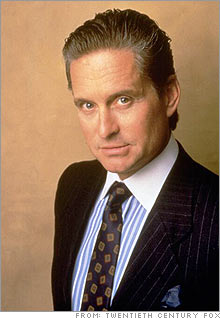 The vilification of Wall Street is taking full force. It is the worst form of scapegoating, denial, and mistakes were made (but not by me). It is similar to the criticisms of the legal profession where the intransigence, unreasonableness, and greed of the litigants is blamed on the representatives who are doing the job set out for them in the system. The current crisis originated in the greed and failure to save by homeowners, their use of real estate borrowing for consumptive lifestyles. Their failure to save, their spendthrift ways are all being loaded on to the investment community who were doing their function within the system. Now emails are floating around fighting the bailout of billionaires on Wall Street. You are an easy scapegoat. No matter that the speculator helped provide the liquidity to create trillions in new wealth. No matter that the long held family home is valued at many multiples of it's purchase price. It is the most culpable real estate speculator and overextended consumer that now point the finger in the attempt to avoid their own errors, lack of judgment. With an election coming up, the politicians, the worst of all, are jumping on the BANDWAGON. The cycle is ending. The funny thing is that equities are barely down a 1/5 and they are throwing out the baby along with the bathwater. But it's good. We really don't need the big firms anymore with universal access and electronic execution. Truth is we really don't need big government either, but its turn comes next.
For the speculator, many new niches and many opportunity will arise. The government will be the ultimate slow mover. As they try to enter the market, as we have seen this last week, there are big waves kicked up. The least qualified populate government functions. Small and fast moving adaptors can thrive in such an environment. Seems that many big hedge funds are going down or weakening. The white shoe brokers are weak. The change will be good. It's just like evolution and climatic change. New species will arise. Many will perish unless they adapt. Even the data itself is reinventing itself with data over a year old being almost irrelevant. As Lack says, regulation will be a joke. Every rule will create a dozen loopholes to exploit that the slow moving professors never thought about. THEY can't control the markets. The big illusion is that government can cure the problems when in fact, THEY are the problem.
Kim Zussman replies:
 "Greed and failure to save by homeowners" is also what caused the markets to recover from the tech-bubble / 9-11 bear market. The FOMC could have chosen not to increase liquidity / ease rates in that environment — in which case there might have been a deeper/longer "my father's" recession.
Remember the wealth effect: as people's homes increased in value, they felt richer, borrowed more, spent more, and drove earnings up. And felt a lot of pressure to do so. How do you say no to the Mrs. when she complains about the many vacations the neighbors take, or their new boat?
One of my favorite symbols of this period was the web-ads showing ethnic-minority couples dancing on rooftops when their loan was approved. Hey, it's a free country.
Bruno Ombreux sees a silver lining:
Am I the only one thinking that this mess is actually very good news for small speculators?
Fewer investment banks, fewer hedge funds, higher cost of capital and more regulations mean less efficient markets, that is more edges. And at the same time less competition for those edges.
The golden age of speculation is coming.
Janice Dorn adds:
 Some days ago, I sent a copy of my first book to Alan Millhone. The title of the book is: Personal Responsibility: The Power Of You.
We are living through an epidemic of failure/unwillingness to accept personal responsibility for our actions. The blame game is just that. No personal responsibility. Mistakes were made ( but not by me). When the locus of control shifts from inward to outward, there is nothing but whining, blaming, gnashing of teeth, bullying, etc.
The worst lies are the lies we tell ourselves.
Tim Melvin argues:
 Don't confuse speculators with the banks and Wall Street. There is an enormous gulf between the two. The fact is the banks did create loans and loan structures that encouraged excessive borrowing. Merrill used to encourage homeowners to take out home equity loans and put the money in stocks. Homeowners did not create option ARMs or understand them. Banks created then and sold them. The public did not slice, dice and engineer toxic securities from their mortgages. Wall Street did that.
Does the public have culpability for their stupidity and greed? Of course they do and they are paying for it. Look at foreclosures. That can't be a pleasant experience. However, the Street has to take its share of blame for creating the speculative fires and then pouring gas on them.
Most "speculators" had nothing to do with the creation of this mess. They do not lend money or create securities. They trade. And most of us do it with our own money.
Jim Sogi replies:
While you are entirely correct, the public doesn't know or care of the difference, and blames you as much as Gold Man. Anything to deny personal responsibility.
Comments
Archives
- June 2026
- May 2026
- April 2026
- March 2026
- February 2026
- January 2026
- December 2025
- November 2025
- October 2025
- September 2025
- August 2025
- July 2025
- June 2025
- May 2025
- April 2025
- March 2025
- February 2025
- January 2025
- December 2024
- November 2024
- October 2024
- September 2024
- August 2024
- July 2024
- June 2024
- May 2024
- April 2024
- March 2024
- February 2024
- January 2024
- December 2023
- November 2023
- October 2023
- September 2023
- August 2023
- July 2023
- June 2023
- May 2023
- April 2023
- March 2023
- February 2023
- January 2023
- December 2022
- November 2022
- October 2022
- September 2022
- August 2022
- July 2022
- June 2022
- May 2022
- April 2022
- March 2022
- February 2022
- January 2022
- December 2021
- November 2021
- October 2021
- September 2021
- August 2021
- July 2021
- June 2021
- May 2021
- April 2021
- March 2021
- February 2021
- January 2021
- December 2020
- November 2020
- October 2020
- September 2020
- August 2020
- July 2020
- June 2020
- May 2020
- April 2020
- March 2020
- February 2020
- January 2020
- December 2019
- November 2019
- October 2019
- September 2019
- August 2019
- July 2019
- June 2019
- May 2019
- April 2019
- March 2019
- February 2019
- January 2019
- December 2018
- November 2018
- October 2018
- September 2018
- August 2018
- July 2018
- June 2018
- May 2018
- April 2018
- March 2018
- February 2018
- January 2018
- December 2017
- November 2017
- October 2017
- September 2017
- August 2017
- July 2017
- June 2017
- May 2017
- April 2017
- March 2017
- February 2017
- January 2017
- December 2016
- November 2016
- October 2016
- September 2016
- August 2016
- July 2016
- June 2016
- May 2016
- April 2016
- March 2016
- February 2016
- January 2016
- December 2015
- November 2015
- October 2015
- September 2015
- August 2015
- July 2015
- June 2015
- May 2015
- April 2015
- March 2015
- February 2015
- January 2015
- December 2014
- November 2014
- October 2014
- September 2014
- August 2014
- July 2014
- June 2014
- May 2014
- April 2014
- March 2014
- February 2014
- January 2014
- December 2013
- November 2013
- October 2013
- September 2013
- August 2013
- July 2013
- June 2013
- May 2013
- April 2013
- March 2013
- February 2013
- January 2013
- December 2012
- November 2012
- October 2012
- September 2012
- August 2012
- July 2012
- June 2012
- May 2012
- April 2012
- March 2012
- February 2012
- January 2012
- December 2011
- November 2011
- October 2011
- September 2011
- August 2011
- July 2011
- June 2011
- May 2011
- April 2011
- March 2011
- February 2011
- January 2011
- December 2010
- November 2010
- October 2010
- September 2010
- August 2010
- July 2010
- June 2010
- May 2010
- April 2010
- March 2010
- February 2010
- January 2010
- December 2009
- November 2009
- October 2009
- September 2009
- August 2009
- July 2009
- June 2009
- May 2009
- April 2009
- March 2009
- February 2009
- January 2009
- December 2008
- November 2008
- October 2008
- September 2008
- August 2008
- July 2008
- June 2008
- May 2008
- April 2008
- March 2008
- February 2008
- January 2008
- December 2007
- November 2007
- October 2007
- September 2007
- August 2007
- July 2007
- June 2007
- May 2007
- April 2007
- March 2007
- February 2007
- January 2007
- December 2006
- November 2006
- October 2006
- September 2006
- August 2006
- Older Archives
Resources & Links
- The Letters Prize
- Pre-2007 Victor Niederhoffer Posts
- Vic’s NYC Junto
- Reading List
- Programming in 60 Seconds
- The Objectivist Center
- Foundation for Economic Education
- Tigerchess
- Dick Sears' G.T. Index
- Pre-2007 Daily Speculations
- Laurel & Vics' Worldly Investor Articles
